In many school systems across the United States, multilingual learners are often treated as if they have a deficit rather than being recognized for their valuable contributions. Why is that, and how can we begin shifting our approach to view and treat multilingual students as assets in our schools and society?
The Term Multilingual Learner
The term multilingual learner acknowledges that students may be acquiring multiple languages, not solely English. Many students continue to practice and develop additional languages outside of school settings. Adopting the term multilingual learner challenges the English-only perspective associated with English language learner and promotes a more asset-based view that celebrates the cognitive and cultural benefits of multilingualism.
What is a Multilingual Learner?
Multilingual learners (MLLs or MLs) are students who are developing proficiency in more than one language. This term includes students often referred to as English language learners (ELLs), dual language learners, and long-term English learners. The term multilingual learners carries more positive connotations, highlighting the strengths associated with multilingualism. By adopting a more inclusive and asset-based language approach, we can also incorporate translanguaging practices in the classroom to support and celebrate students’ full linguistic repertoires.

What is Translanguaging?
Translanguaging is a pedagogical approach that supports and values students’ full range of language abilities. It allows students to move fluidly between languages as they think, communicate, and process information. Through translanguaging, students can use their home language as a bridge to develop academic English while deepening their overall understanding. This approach also honors students’ cultures and linguistic knowledge, encouraging them to draw on all the languages they know as powerful learning tools.
What are the Challenges of a Multilingual Student?
Many multilingual students experience transition shock as they adjust to life in the United States. They must adapt to a new environment, different weather, new friendships, housing, and unfamiliar systems for finding resources, all while learning a new language. In addition, they often face discrimination and racism within their schools and communities.
Other challenges can include religious discrimination, financial difficulties, anxiety, isolation and feeling homesick. Another challenge at school is learning grade level content while they are still acquiring English.
Misconceptions about Multilingual Learners
Multilingual students come from diverse linguistic, cultural, and educational backgrounds. Their prior schooling may have taken place in a different language or format, and some students may be entering a classroom for the first time after arriving in the United States. Therefore, it is crucial that instruction be differentiated to meet each student’s unique needs.
Unfortunately, current multilingual instruction and accommodations in the U.S. often fail to consider students’ prior experiences and knowledge. Multilingual learners are frequently perceived as academically behind or misplaced. In reality, many of these students are highly capable and even gifted. Too often, they are not provided with opportunities for academic challenge or enrichment.
Strategies to Support Multilingual Learners in the Classroom
Here are some practical ways to support multilingual students in your classroom:
- Create a welcoming environment where new students feel comfortable sharing what they know and asking questions about what is unfamiliar to them.
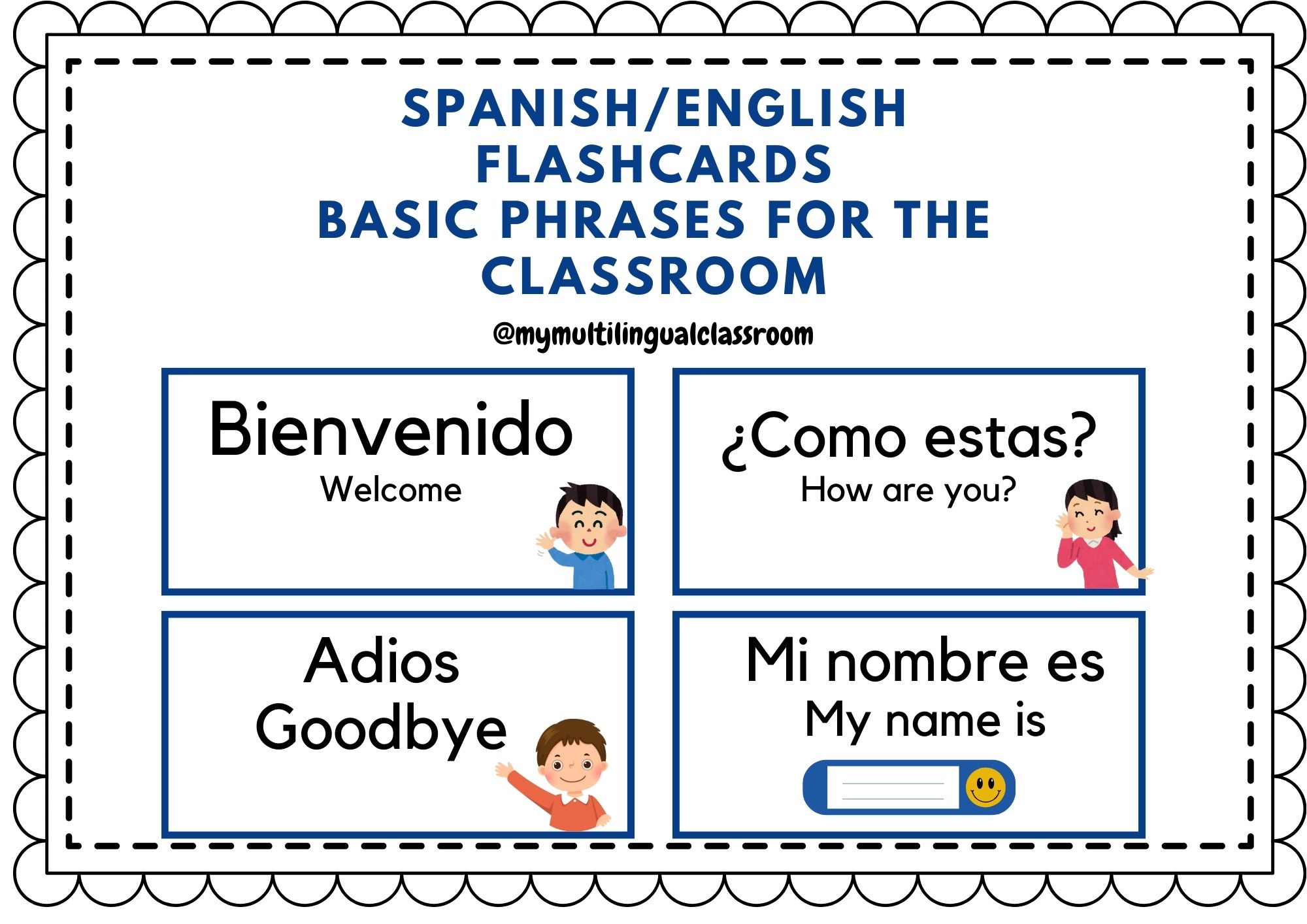
- Learn and use basic vocabulary in students’ home languages and share it with the class to build inclusivity.
- Activate prior knowledge before a lesson by using visuals and graphic organizers (such as a KWL chart) to guide discussion.
- Preview and teach academic vocabulary using tools like word maps, images, and graphic organizers to help students make connections between words and concepts.
- Provide multiple opportunities for students to use new vocabulary in a variety of contexts.
- Offer extra time for oral practice to help students build oral proficiency.
- Incorporate supports such as sentence frames, word banks, and DIY flashcards to assist with oral communication, reading, and writing.
- Model how to use prompts before asking students to respond, giving them a clear example of how to express their ideas.
- Encourage collaboration so students can learn from one another. Peer support from other multilingual students can be valuable—just keep in mind that it should not become their responsibility to teach or translate during the school day.
Closing Thoughts
As a school community, we need to work together to provide language screeners and tools in other languages in order to learn more about student’s backgrounds, academic skills and educational experiences before placing them in classes. We also need to remember that as educators it is our job to help and support all students equally.

Leave a Reply